
Rebar Bending: A Complete Guide for Construction Professionals
Good reinforcement is not just about the steel you use; it’s also about how that steel is shaped for the job.
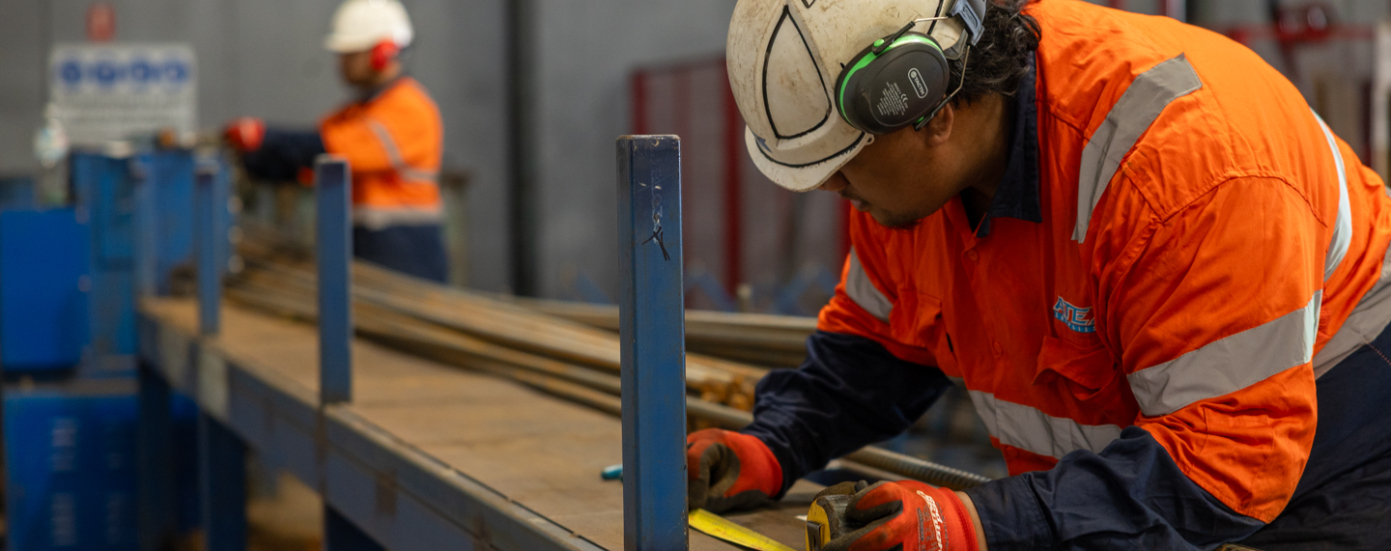
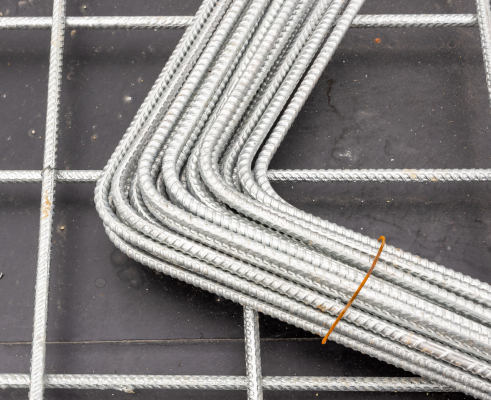
Rebar bending allows reinforcing steel to match structural designs, reinforce key load areas, and suit the real conditions of the build. From beams and slabs to columns, footings, and custom details, the right bend helps deliver strength, accuracy, and a cleaner fit on site.
Of course, bending steel is not something to leave to guesswork! Proper equipment, proven techniques, and compliance with Australian standards all play a part in achieving safe, consistent results.
Atex Supplies provides reinforcing steel and steel-bending tools trusted by construction professionals who need reliable outcomes and efficient turnarounds.
Explore the Atex Supplies range for your next project, and keep reading to learn the essentials of rebar bending.
What is Rebar Bending and Why is It Important?
Understanding the Rebar Bend Radius and Its Role in Construction
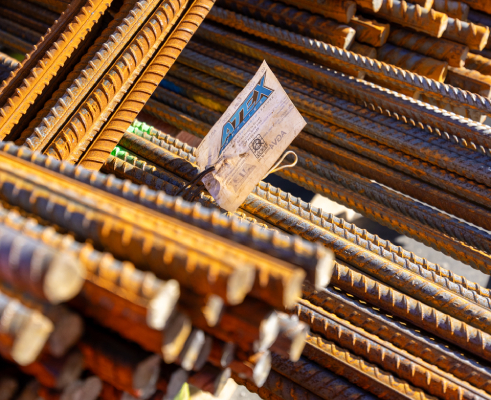
Rebar bend radius is the radius of the curve formed when a reinforcing bar is bent, which affects how tightly the bar can be shaped without overstressing the steel. In construction, that matters because bent bars need to match the design while retaining the strength and flexibility needed to perform properly once installed in the concrete.
Getting the bend radius wrong can create real problems. If a bar is bent too tightly, the steel can be overstressed, which may lead to cracking, damage to the bar surface, or reduced performance. These issues can affect how the reinforcement performs over time and reduce the strength and reliability of the finished structure.
Several factors influence the required bend radius, including
- Bar Diameter: Larger bars generally need a larger bend radius.
- Material Grade: Different steel grades have different bending properties.
- Bar Type: The type of reinforcing bar also affects how tightly it can be bent.
- Project Specifications: Bend requirements should match the relevant bar specifications and the project design.
Bend requirements are not usually guessed on-site. They are determined by the relevant specifications for the bar and the project design.
Australian Standards for Rebar Bending
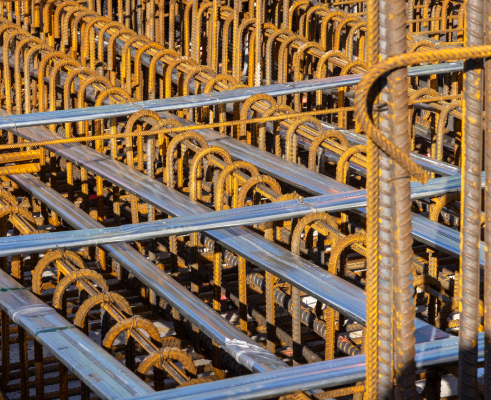
In Australia, rebar bending must comply with the relevant standards, including AS/NZS 4671 for steel reinforcing materials and AS 3600 for concrete structures.
Compliance with these standards is crucial because they set the rules for how rebar should be bent and detailed for safe, reliable construction. Following them supports safety, quality, and consistency across projects.
Rebar Bending Tools
A range of tools can be used to bend rebar, depending on the bar size, the volume of work, and the required level of accuracy.
- Manual Rebar Benders: Commonly used for smaller jobs, lighter bars, and lower-volume work. They’re a practical option on-site when only a limited number of bends are needed.
- Rebar Bending Machines: Used for larger-scale projects, heavier bars, and jobs that call for faster production and more consistent results.
- Cut-and-Bend Machines: These combine cutting and bending into a single process, improving efficiency in fabrication settings.
- Bending Pins, Formers, or Jigs: Often used to create consistent shapes and angles, particularly for repeated bends.
- Measuring and Marking Tools: Tape measures, chalk, markers, and templates are also important, as accurate bending starts with accurate marking.
Techniques for Bending Rebar
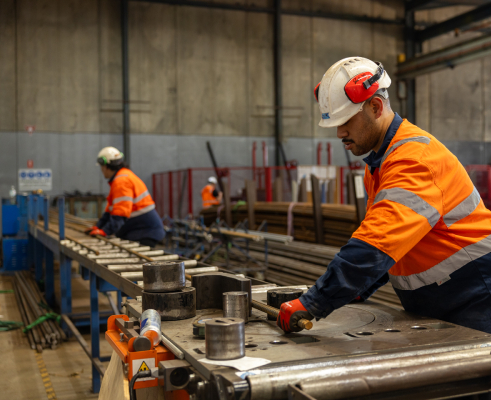
Rebar can be bent manually or by machine.
- Manual Rebar Bending:
- Better suited to small-scale work and simple bends.
- More portable and usually lower in cost.
- Useful for on-site adjustments.
- Slower than machine bending, especially for large volumes.
- Less consistent when many identical bends are required.
- More physically demanding for workers.
- Machine-Based Rebar Bending:
- Better suited to large volumes and repetitive bending.
- Faster, more consistent, and more accurate.
- More effective for bending heavier bars.
- Better suited to complex bends and precision work.
- More expensive upfront.
- Less portable than manual tools.
In general, manual bending is useful when flexibility and simplicity matter most, while machine-based bending is the better choice for high-volume work, more precise bends, and more efficient production.
How To Bend Rebar: Step-by-Step Instructions
Manually
- Measure and Mark the Bend Point: Use a tape measure to mark exactly where the bend needs to start. Clear markings help keep bends accurate and reduce mistakes.
- Secure the Rebar in the Bender: Place the rebar into a manual rebar bender or bending tool so the marked bend point lines up with the bending pin or pivot point. Make sure the bar is firmly held in place.
- Apply Steady Pressure to Bend the Bar: Pull the handle or lever of the bender slowly and steadily to form the bend. Avoid sudden force; controlled pressure helps create a smoother, more accurate bend.
- Check the Bend Angle: Once the bend is formed, check the angle against the required measurement or drawing. You can make minor adjustments if needed.
- Inspect the Bar: Look for any signs of cracking, damage, or flattening around the bend. The steel should remain intact and evenly shaped.
- Repeat if Additional Bends Are Required: Measure carefully before each bend to keep spacing and angles consistent with the project design.
By Machine
- Review the Required Bend: Check the drawings or specifications to confirm the bend angle, location, and bar size before starting.
- Measure and Mark the Bar: Mark the point where the bend needs to begin. Clear markings help position the bar correctly in the machine.
- Set Up the Bending Machine: Adjust the machine settings or bending pins to suit the bar diameter and the required bend angle.
- Position the Rebar: Place the rebar into the machine so the marked bend point aligns with the bending pin or centre of the bending plate.
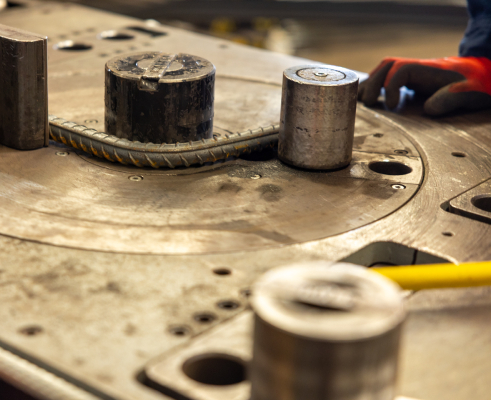
- Activate the Machine: Operate the machine according to the manufacturer’s instructions. The machine will apply a controlled force to bend the bar to the set angle.
- Check the Finished Bend: Remove the bar and confirm the bend angle and position match the specifications. Inspect the bar for any signs of damage before use.
Rebar Bending Standards and Safety Guidelines
Rebar bending involves heavy materials and powerful equipment, so following proper safety practices is essential.
Key safety guidelines include
- Wearing Personal Protective Equipment (PPE): Gloves, safety glasses, steel-capped boots, and protective clothing help reduce the risk of injury when handling and bending steel.
- Inspecting Rebar Before Bending: Check bars for visible damage, rust, cracks, or deformities that could affect bending performance or structural reliability.
- Using Bending Equipment Correctly: Manual benders and automatic rebar bending machines should be operated according to the manufacturer’s instructions to prevent accidents and achieve accurate bends.
- Keeping Work Areas Clear: Ensure the bending area is free of unnecessary tools, materials, and obstructions to reduce trip hazards and allow safe handling of long steel bars.
- Following Relevant Australian Standards: Rebar bending and reinforcement work should comply with standards such as AS/NZS 4671 for steel reinforcing materials and AS 3600 for concrete structures, which set requirements for bending, detailing, and reinforcement performance.
Common Rebar Bending Mistakes and How To Avoid Them
Even small errors in rebar bending can lead to installation problems, wasted materials, or structural issues later in the build. Being aware of common mistakes can help you work more accurately and efficiently.
- Bending Rebar Too Tightly: Bends that are too sharp can overstress the steel and damage the bar. Always follow the specified bend radius for the bar size and grade.
- Incorrect Measurements or Marking: Poor measuring can lead to bends in the wrong location, which may cause the bar to no longer fit the design. Measure carefully and mark bend points clearly before starting.
- Using the Wrong Bending Equipment: Tools that are not suited to the bar size can produce uneven bends or damage the steel. Select equipment that matches the bar diameter and bending requirements.
- Bending the Same Bar Repeatedly: Repeated bending and rebending can weaken reinforcing steel and increase the risk of cracking. Plan bends carefully so each bar is correctly shaped the first time.
- Ignoring Project Drawings or Specifications: Bends that do not match the structural drawings can affect how reinforcement fits within the formwork. Always follow the engineering details and reinforcement schedules provided for the project.
How Atex Supplies Supports Your Rebar Bending Needs
When a project calls for reinforcing steel, having the right materials ready to go makes a big difference on site. Atex Supplies supports builders, contractors, and engineers across Sydney with reliable steel reinforcement and the tools needed to get the job done properly.
We offer a wide range of high-quality reinforcing steel, reinforcement accessories, and rebar-bending tools for various construction applications. Whether you need standard reinforcement products or help preparing steel to match project requirements, our team understands what construction crews need to keep work moving.
We focus on competitive pricing, dependable product quality, and timely delivery to reduce delays and help keep your projects on budget and on schedule.
Contact Atex Supplies today for expert advice or to request a quote .
FAQs
What Is the Proper Way to Bend Rebar?
The proper way to bend rebar is to use the correct bending tools or machines, follow the specified bend radius for the bar size and grade, and match the angles and locations shown in the project drawings. Accurate measuring, steady pressure during bending, and compliance with relevant standards help prevent damage to the steel and maintain structural performance.
What Tools Are Best for Bending Rebar?
Manual rebar benders are suitable for smaller jobs and lighter bars, while rebar bending machines are better for larger projects, heavier bars, and repetitive bends. The best tool depends on the bar size, the number of bends required, and the level of accuracy needed.
What Is the Minimum Bend Radius for Rebar?
There is no single minimum bend radius for all rebars; it varies with bar diameter, steel grade, and relevant Australian requirements. In Australia, minimum bending requirements are set by standards such as AS/NZS 4671 and AS 3600, so the correct radius should be checked against the project specifications and applicable standard rather than assumed on site.
Can Rebar Be Bent Manually?
Rebar can be bent manually using a manual rebar bender, usually for smaller jobs, lighter bars, or when only a few bends are needed. For larger bars, high volumes, or more precise bending, a rebar bending machine is usually the better option.
Why Is It Important To Follow Standards When Bending Rebar?
Following Australian construction standards helps ensure rebar is bent safely, accurately, and in a way that suits the structural design. It also reduces the risk of damaging the steel, causing installation issues, or affecting the strength and reliability of the finished concrete element.