
Mastering Construction Scheduling for Successful Project Management
Construction scheduling keeps a job moving in the right order. You might have a good crew and quality materials, but if trades clash, deliveries turn up late, or tasks happen out of sequence, delays and cost blowouts can happen fast.
A clear construction schedule helps builders, contractors, and project managers coordinate crews, plan deliveries, manage timelines, and keep the project on track.
For projects to be executed smoothly and on schedule, reliable material ordering and delivery are a must. That’s where we come in! Explore our range of construction materials and get ordering today without delay.
What else do you need to know about construction scheduling?
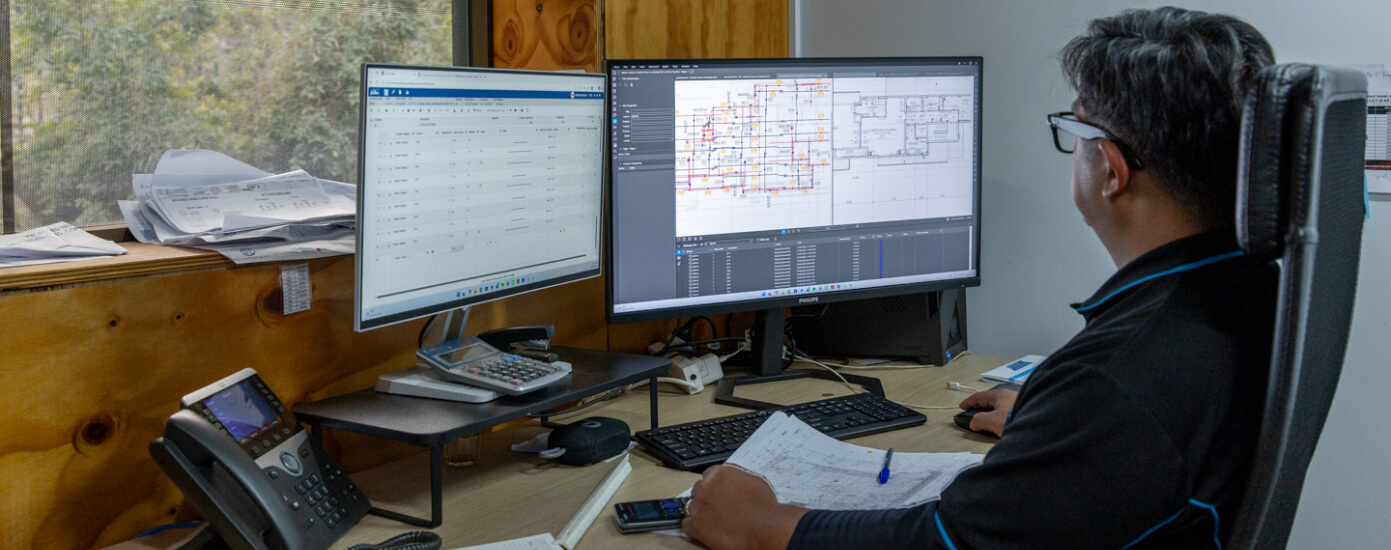
What is Construction Scheduling and Why is It Important?
Construction scheduling is the process of planning the order of work on a project, including tasks, timeframes, labour, equipment, and material deliveries. It sets out what needs to happen, when it needs to happen, and who is responsible for each stage.
Construction scheduling is important because it keeps a job organised and moving. A good schedule helps you coordinate trades, manage site activity, and make better use of time and resources. It also helps you meet deadlines, reduce downtime, and avoid delays caused by clashes, missed deliveries, or out-of-sequence work.
On smaller jobs, scheduling keeps things simple and efficient. On larger projects, it becomes even more important to manage multiple crews, overlapping tasks, and tighter deadlines.
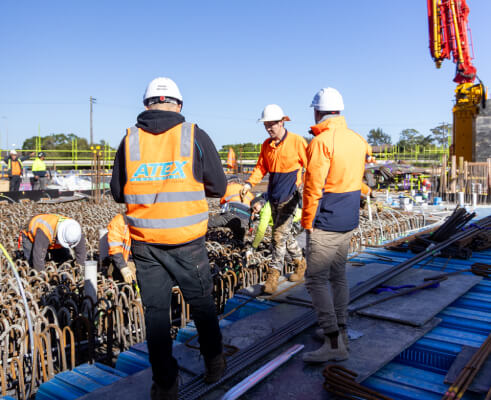
Key Benefits of Effective Construction Scheduling
- Enhanced Productivity: Keeps work flowing in the right sequence, so crews can get on with the job instead of waiting around for the next task, trade, or delivery.
- Reduced Project Delays: Helps you spot clashes, timing issues, and bottlenecks early, so you can fix them before they cause bigger delays on site.
- Better Handling of Changes or Challenges: Weather delays, supply issues, and site surprises happen. A building construction schedule makes it easier to adjust tasks, move resources, and keep the project going with less disruption.
- More Budget Control: Helps you avoid costly downtime, rework, rushed labour, and wasted plant hire. When the job runs to plan, costs are easier to manage.
- Improved Resource Allocation: You can plan labour, equipment, and materials more accurately, so the right resources are available when needed.
- Clear Communication: Provides builders, contractors, project managers, suppliers, and clients with a clear view of timelines, responsibilities, and upcoming work, reducing confusion and making sure everyone is on the same page.
How To Create a Construction Schedule: The Essential Steps
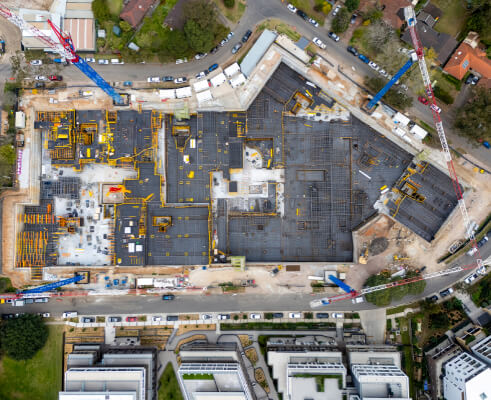
Here’s a simple, step-by-step approach to creating a building construction schedule that works.
- Define the project scope and goals. Start by setting out exactly what the project involves, what needs to be delivered, and the key deadlines. Include site requirements, client expectations, approvals, and any non-negotiables, so your schedule is built around the job, not guesses.
- Break the project into tasks and milestones. Split the job into clear stages and individual tasks, such as site prep, excavation, formwork, reinforcement, concrete pours, framing, and finishing. Then, set key milestones, such as slab poured, frame complete, and practical completion, so that you can track progress at major points.
- Allocate resources to each task. Work out the labour, equipment, and materials needed for each stage, and when they are needed on site. Material planning is a big part of this, especially for structural work, where items like reinforcing steel, mesh, bar chairs, and accessories need to arrive at the right time to avoid delays. Reliable supply from partners like Atex Supplies can help keep work moving.
- Set realistic deadlines for each task. Assign timeframes based on actual site conditions, crew capacity, lead times, and task dependencies. The schedule must be practical and not too tight from day one, so leave room for common delays like weather, inspections, and delivery changes.
- Monitor progress and adjust as needed. Once work starts, treat the construction schedule as a live tool. Check progress regularly, compare actual timing against the plan, and update the schedule when conditions change. Small adjustments made early can stop bigger delays later.
Top Tools and Techniques for Construction Scheduling
Using the right construction scheduling tools and techniques can make a big difference to how smoothly a project runs.
- Gantt Chart: One of the most common scheduling tools in construction, showing tasks across a timeline, allowing you to see what needs to happen quickly, when it starts, how long it runs, and where tasks overlap. This chart is also useful for tracking progress, planning handovers between trades, and spotting delays early.
- Critical Path Method (CPM): Identifies the tasks that directly affect the project’s finish date. It shows which activities cannot be delayed without delaying the entire job. Then, you can prioritise the most important work, manage dependencies, and focus attention where delays will hurt the most.
- Construction Management Scheduling Software: Gives you more control over larger or more detailed schedules. Tools like Procore and Microsoft Project can build timelines, assign tasks, track progress, manage resources, and update schedules as site conditions change. They’re especially helpful when multiple teams, subcontractors, and deadlines need to stay aligned.
- Scheduling Templates: For smaller projects, scheduling templates are a practical way to improve organisation and communication on site. A simple Excel template or similar tool can help you map out tasks, timeframes, milestones, and deliveries.
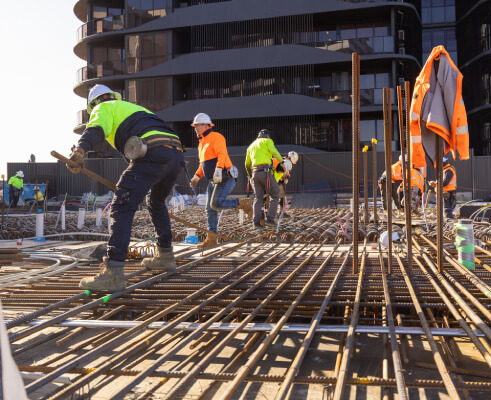
Overcoming Common Scheduling Challenges in Construction
Even a well-planned construction schedule can come under pressure once the job starts. The key is to spot common issues early and have a practical plan to deal with them.
- Unforeseen Delays: Some delays, such as bad weather, cannot be avoided, but others can be reduced. A schedule can fall apart when labour, equipment, or materials are double-booked, unavailable, or arrive at the wrong time. Build buffer time into critical stages, confirm lead times early, check crew availability, and order key materials in advance. It also helps to work with reputable suppliers who can deliver on time, like Atex Supplies!
- Miscommunication: Construction scheduling problems often happen when one team doesn’t know another team has been delayed, finished early, or changed the plan. Use a shared schedule, run regular site updates, and make responsibilities clear for each stage.
- Inaccurate Task Estimation: Jobs often blow out because task durations were too optimistic. Base timeframes on real site conditions, crew size, access, inspection wait times, and past project experience, not best-case assumptions. Review estimates as the project moves and adjust early if tasks are taking longer than planned.
FAQs
What Are the Main Steps in Construction Scheduling?
The main steps in construction scheduling are defining the project scope, breaking the work into tasks and milestones, allocating labour, equipment, and materials, setting realistic timeframes, monitoring progress, and updating the schedule as the job progresses.
Why Is Construction Scheduling Important in Project Management?
Construction scheduling is important because it helps builders, contractors, and project managers organise tasks, coordinate trades, and plan labour and material deliveries. A construction schedule keeps the project moving correctly to meet deadlines, reduce delays and downtime, and control costs.
What Tools Are Commonly Used for Construction Scheduling?
Common construction scheduling tools include Gantt Charts for visual timelines, the Critical Path Method (CPM) for prioritising tasks that affect the finish date, construction scheduling software such as Procore or Microsoft Project for larger projects, and simple scheduling templates or spreadsheets for smaller jobs.
How Do You Handle Delays in Construction Projects?
You can handle delays in construction projects by identifying the cause early, assessing which tasks and deadlines are affected, and updating the construction schedule immediately. It also helps to reallocate labour, equipment, or materials where possible, communicate changes clearly to trades and stakeholders, and work with reliable suppliers to reduce further delays.
What Is the Difference Between a Gantt Chart and a CPM in Construction Scheduling?
A Gantt Chart is a visual timeline that shows when tasks start, finish, and overlap. CPM (Critical Path Method) is a planning technique that identifies the sequence of tasks that directly affect the project finish date. In short, a Gantt Chart helps you see the schedule, while CPM helps you prioritise the tasks that cannot be delayed.
How to Become a Construction Scheduler?
Most people become construction schedulers by moving into the role from construction, project coordination, estimating, or site admin. Employers usually look for practical industry experience, strong organisational skills, and confidence in using construction scheduling software, such as Microsoft Project or similar tools.
Streamline Your Projects with
Effective Construction Scheduling
Without a clear building construction schedule, a construction project can feel like you’re constantly playing catch-up with crews, tasks, and timelines! A good schedule keeps the job moving in the right order, helps crews work together, and cuts down the delays, downtime, and last-minute chaos that chew up time and money.
Construction scheduling works even better when the right materials are ready when you need them. Atex Supplies supports smoother project delivery with a wide range of construction materials, including reinforcing steel.
With over 30 years of experience in residential and commercial construction, we understand how jobs run on real sites, not just on paper. For you, that means practical product advice, reliable support, and effective solutions.
Explore our range of construction materials today. Then, get in touch with our team for expert advice and a quote. Call 02 8605 8605 or fill out this form .